









Nov 25 2026 - 2:00pm
As the Trump administration weighs whether to return to the negotiating table or launch another large-scale bombing campaign in Iran, a third option is emerging. According to NBC, US military officials have tabled a proposal to target senior Iranian leaders in a bid to eliminate the regime’s hardliners and push the Iranians into accepting US demands. Advocates have sought to sell this option as a stepping stone toward withdrawing from the conflict altogether. By further gutting the regime — the logic goes — Trump could publicly claim victory and finally pull the plug on a war that has not only plummeted his approval ratings but cost the White House its congressional majority.
Such claims are mistaken. The US may hold military superiority over Iran but it can’t kill its way to absolute victory. No option under Trump’s review is cost-free, and the one being floated is no exception.
For starters, killing senior Iranian decision-makers is not exactly an original idea. The rationale behind it is simple enough to understand: by taking the regime’s experienced leaders and managers off the table, the regime itself will begin to weaken internally as replacements struggle to prosecute the war. Iran’s defenses will suffer as a result, leaving the remnants of the country’s leadership structure with no choice but to sue for peace to stave off a longer, more damaging conflict.
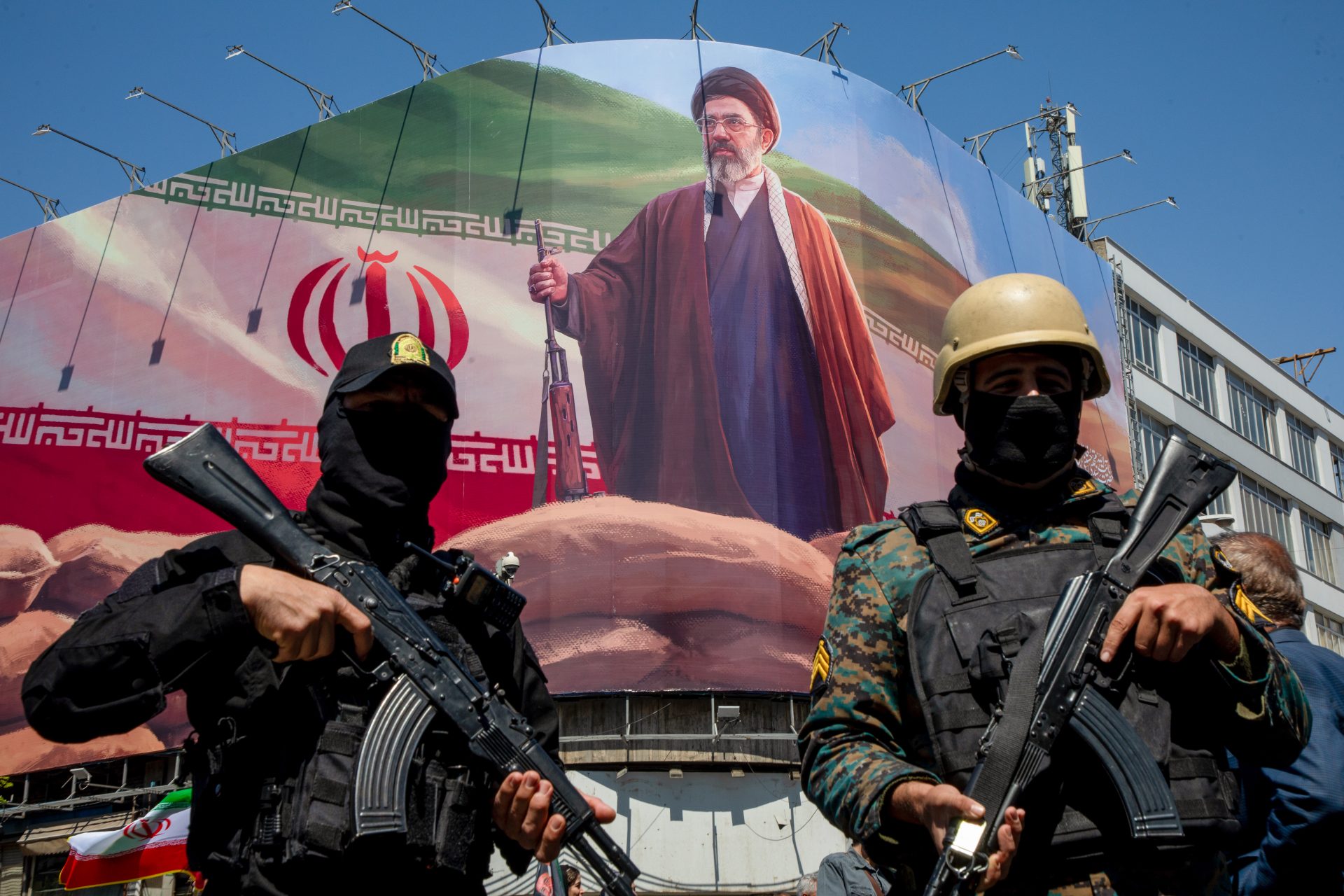
Yet this is not an assumption the Trump administration can bank on. Indeed, the above theory has already been tested. The US killed dozens of Iranian commanders, ministers and defense officials during the war’s first weeks, including some — such as supreme leader Ayatollah Ali Khamenei, IRGC commander Mohammad Pakpour and senior adviser Ali Larijani — who made up the regime’s inner sanctum. Those actions were impressive tactical feats, but didn’t bring Iran any closer to Washington’s positions, let alone lead to the elevation of more palatable Iranian officials willing to silence the guns.
Instead, hardliners replaced more pragmatic officials who were at least open to a face-saving end to the conflict. Today, Iran’s Supreme National Security Council is dominated by former IRGC officers and internal security chiefs who cut their teeth in the long, grinding eight-year Iran-Iraq War. Mojtaba Khamenei, who took over as supreme leader after his father was assassinated, is reportedly more interested in acquiring a nuclear weapon than his father was. So what have these targeted strikes really achieved? And why would anyone believe doubling down on the same course of action would accomplish a different result?
What about the notion that killing a few more Iranian officials could pave the way for the US to end the war on a high note? This, too, borders on delusion. When backed into a corner, the regime has consistently chosen to escalate further in an attempt to heighten the pressure on Washington and its Gulf Arab partners. This is playing out as we speak; after the US Navy helped oil shipments through the Strait of Hormuz rebound to pre-war levels over the late summer, the IRGC accelerated its operations against ships to turn the tables. There have been nearly as many attacks on vessels over the last two months as there were during the previous seven, an apt illustration of Iran’s motivation to broaden the war when its leverage is at risk.
If Iran is amping up the aggression in response to more oil tankers traveling through the region’s waterways, imagine what the country’s reaction would be if bombs started killing its officials again. It’s highly unlikely the regime would distinguish this from a return to full-blown warfare, in which case the Arab Gulf states and tens of thousands of US troops stationed in the Middle East better be prepared for another surge in Iranian drone and missile attacks.
In the end, an option that’s meant to give Trump greater room to end the war could wind up instigating a new and more intense round of fighting.
Daniel R. DePetris is a fellow at Defense Priorities and a syndicated foreign affairs columnist for the Chicago Tribune.
 DanDePetris