









July 1 2026 - 7:00am
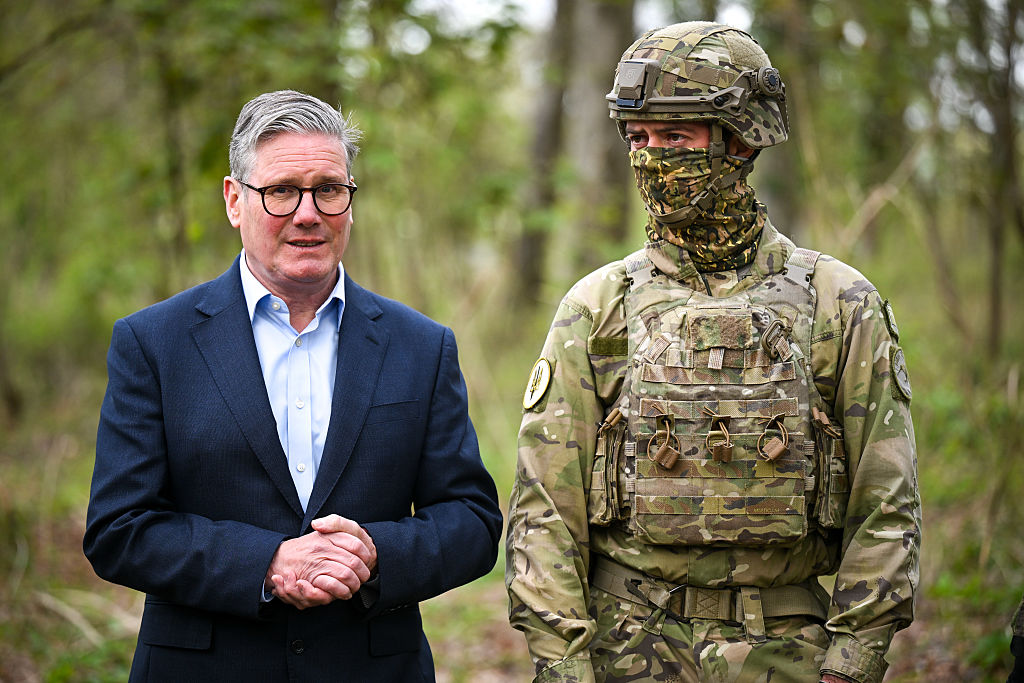
Keir Starmer might be serving his notice as Prime Minister, but he remains capable of making decisions that will bind the country for years to come. Yesterday’s Defence Investment Plan is such a call. The much-delayed program, which cost Starmer a defence secretary a few weeks ago and hastened his exit from Downing Street, has finally emerged.
Included in the plan is an extra £15 billion for defence, meaning a 27% increase within this parliament. The country will spend 2.7% of its GDP on defence by 2029, with an aim to meet the Nato pledge of 3.5% by 2035. New money will largely come from reallocating other Whitehall budgets, including scrapping various road and energy projects. It is less than the MoD asked for and will require tough decisions about how it is spent, but the plan is the most significant uplift promised in years.
The policy presents a real challenge to Britain’s Right-wing parties. While there are always complaints that military spending could go further and move faster to meet rising threats, this sentiment is rarely backed by a clear indication of where the funds should come from. During their time in power, the Conservatives made expressions of long-term commitment from which they knew they could retreat when the time came. An example of this can be seen in Rishi Sunak’s Defending Britain policy paper, which was published in 2024. It pledged to increase UK defence spending to 2.5% of GDP by 2030, but its implementation was scheduled beyond the end of that parliament and included no detailed funding plan.
Reform UK, on the other hand, has often seemed skeptical of Nato and of European partnership on defence. Foreign policy has been a weak point for Nigel Farage, and is one of the areas where polling suggests voters are still aligned with the traditional parties.
These Right-wing parties are now in a tricky position. Labour has set out how it intends to fund defence, and criticising the numbers promised by Starmer’s government is not enough. Reform and the Conservatives need to be clear about what the alternatives are and where the cash might come from if they were to promise more spending.
Further cuts would likely affect day-to-day spending. The most obvious target for the Right is the welfare budget, but it remains unclear how reducing this would work in practice. A large proportion of that budget is now pension spending, which is politically toxic to touch, especially for two parties that rely on the older vote. Alternatively, neither Conservatives nor Reform are likely to countenance higher taxes or more borrowing to fund defence. Without a credible plan to provide more money, criticism risks looking like opposition for its own sake.
Two risks remain for Labour, however. The first is the same problem that has plagued previous announcements: future commitments don’t bind successors. We are a few weeks away from having a new prime minister, along with, most likely, a new chancellor. Future defence commitments may prove vulnerable, especially in the run-up to an election. Voters tend to like defence spending in the abstract but choose things that make a direct impact in their lives when it comes to the crunch. Politicians know this and act accordingly.
The second risk is that the projects and capital spending Starmer is scrapping could come to haunt the Labour Party. The state of the roads and the cost of energy are two things that matter to voters, especially those who lean toward Reform. Scrapping infrastructure projects and reducing capital expenditure comes at a long-term cost and fuels disillusionment with politics.
For Starmer, this might be his last chance to leave a political legacy. The PM has not endorsed the big-spending defence plan that military chiefs wanted, but that was unlikely ever to happen. He has instead made a measured intervention that accepts the realities of the difficult choices. For his opponents, criticisms will have to be similarly grounded in reality. They may, however, still be able to profit from the adverse consequences of Starmer’s call.
John Oxley is a corporate strategist and political commentator. His Substack is Joxley Writes.
 Mr_John_Oxley