








April 30 2020 - 3:26pm
Following his interviews with Swedish professor Johan Giesecke and English professor Neil Ferguson, Freddie Sayers posed a deceptively simple question in UnHerd this week: ‘which epidemiologist do you believe?’ Underpinning the different responses was not just a different interpretation of the data but a more fundamental difference in values and worldview.
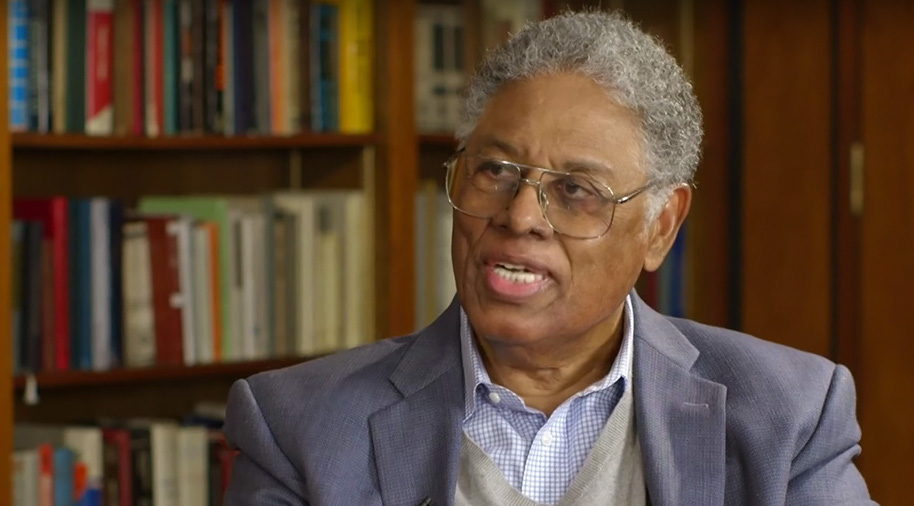
It called to mind a term taken from the retired American philosopher Thomas Sowell (and his 1987 book of the same name,) a ‘conflict of visions’.
Sowell posited the idea that, at root, all political conflicts derive from two very different ‘visions’ of the world. The ‘constrained vision’, characterised by a stronger recognition of limitations/constraints on action and a stronger sense that there are no perfect solutions in life but only a series of imperfect trade-offs; and the ‘unconstrained vision’ — characterised by an idealistic sense that greater perfectibility is always possible:
Later, he adds:
In the two figures of Giesecke and Ferguson, one can tentatively discern the outlines of those two visions. The constrained view of the Swede, who sees no perfect solution to the problem of C-19, only a series of trade-offs, and the unconstrained view of the Englishman who sees, as Sowell would have it: ‘no intractable reasons for social evils and therefore no reason why they cannot be solved, with sufficient moral commitment.’